
How to Clean and Seal Granite Countertops: The Step-by-Step Care Guide
Written & Reviewed by AGS Stones Craftsmen
Master Stone Fabricators & Licensed Cabinet Contractors • Duluth, GA
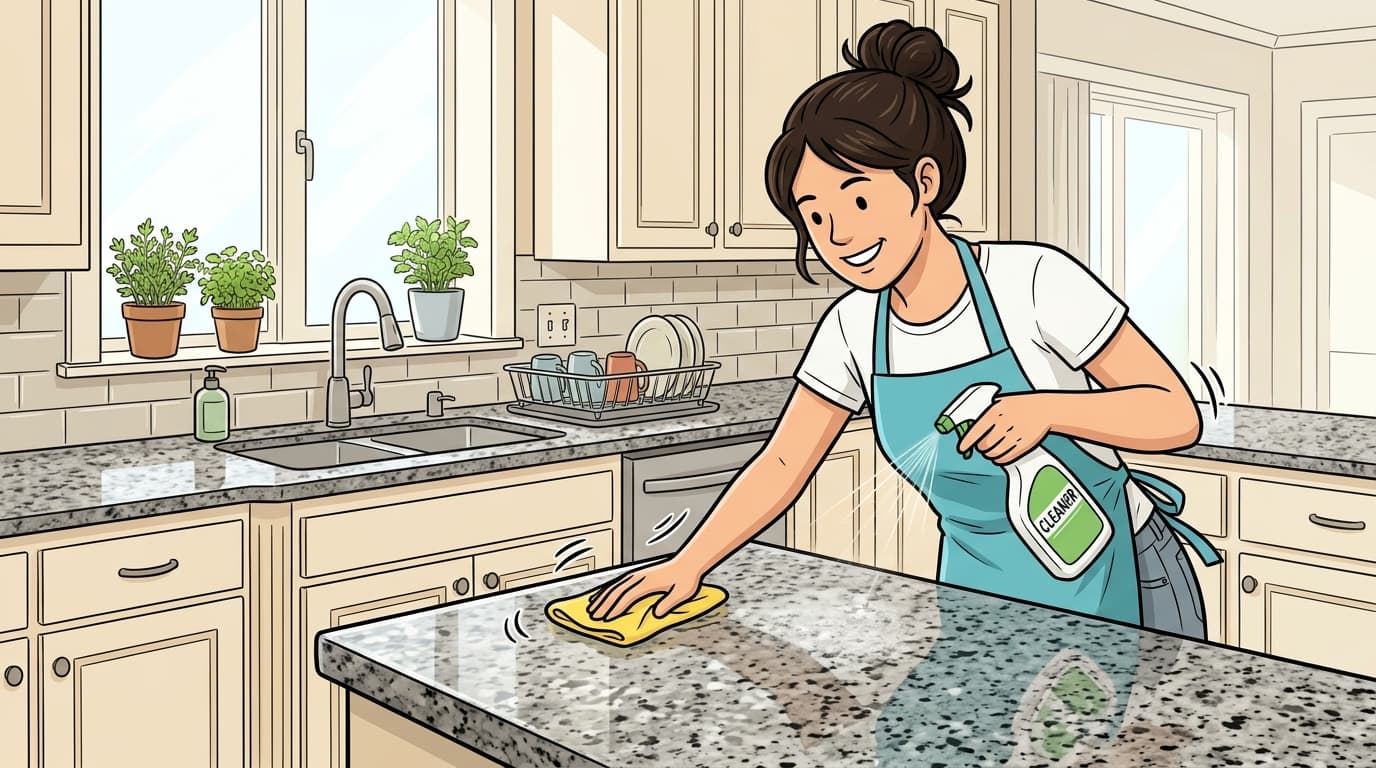
Key Takeaways: Quick Summary
- ✓Always clean with warm water and mild pH-neutral dish soap; avoid vinegar, bleach, ammonia, and acidic citrus cleaners that chemically etch natural stone.
- ✓Perform the 15-minute water droplet test once a year: if water absorbs and darkens the stone, apply an impregnating penetrating sealer.
- ✓Light granite colors (like Dallas White or Colonial White) require annual sealing; dense dark granites (like Absolute Black) need sealing every 3 to 5 years.
- ✓Never allow tap water to air-dry naturally—always buff dry with a clean microfiber cloth to prevent dull calcium mineral spots.
- ✓For stubborn oil or wine stains, use a gentle poultice paste made from baking soda and water or hydrogen peroxide.
Granite countertops are one of the most durable, luxurious additions you can make to your kitchen or bathroom. Formed deep within the Earth under millions of years of volcanic heat and pressure, natural granite can withstand hot baking sheets, sharp chef knives, and decades of family gatherings. However, because granite is an organic, porous natural stone, maintaining that showroom mirror polish requires proper care.
Whether you recently had new stone installed by our team at AGS Stones & Cabinets or you are caring for countertops in an existing home in Duluth or Alpharetta, GA, this step-by-step wikiHow-style guide gives you the exact cleaning recipes, sealer tests, and stain-removal formulas used by professional stone fabricators.
Method 1: Daily Cleaning & Disinfecting (The 2-Minute Routine)
The golden rule of granite maintenance is gentle consistency. Harsh chemicals strip sealants, while gentle cleaning keeps your factory finish vibrant for decades.
Clear Loose Crumbs with a Dry Microfiber Cloth
Begin by sweeping loose food debris, breadcrumbs, and spice particles off the counter with a dry microfiber towel. Avoid dry paper towels, which can drag microscopic abrasive dust across the stone surface.
Wash with Warm Water & pH-Neutral Dish Soap
Mix lukewarm water with a few drops of gentle liquid dish soap (such as classic blue Dawn) in a spray bottle or small basin. Dampen a soft sponge or microfiber cloth and wipe down the surface using smooth S-pattern strokes.
Buff Completely Dry to Prevent Hard Water Spots
Municipal tap water in Gwinnett and Fulton counties contains natural minerals like calcium and magnesium. If allowed to air-dry, these minerals leave a dull, chalky film. Always finish by buffing the counter dry with a fresh, dry microfiber cloth in circular motions.
Method 2: The 15-Minute Water Droplet Sealer Test
How do you know if your granite actually needs a new coat of sealer? You don't have to guess. Use this simple test trusted by stone fabricators worldwide:
Pour 3 tablespoons of water on your countertop near the sink. If the water forms tight, rounded beads like a freshly waxed car hood and the stone beneath remains light after 15 minutes, your seal is 100% intact.
If the water flattens out, soaks into the stone pores, and leaves a dark, damp shadow within 10 to 15 minutes, the stone is absorbing liquid. It is time to apply a breathable, fluoropolymer penetrating stone sealer.
Method 3: How to Apply Penetrating Sealer Like a Pro
Sealing granite is an easy DIY project that takes less than 30 minutes of active work. Here is how our fabrication team recommends doing it:
- Deep Clean the Stone: Clean the entire countertop thoroughly and let it dry completely for at least 2 to 3 hours so moisture evaporates from the stone pores.
- Apply the Sealer Generously: Spray or pour a premium solvent-based or water-based penetrating stone sealer (such as Miracle 511 Impregnator or StoneTech BulletProof) evenly across the countertop. Spread with a lint-free cloth so the entire surface looks wet.
- Allow 15–20 Minutes Dwell Time: Let the sealer penetrate deep into the natural micro-pores. If areas absorb the liquid quickly, add a little more sealer to keep the surface uniformly damp.
- Wipe Off ALL Excess Residue: Crucial step: Before the sealer dries on the surface, thoroughly wipe off any excess liquid with a clean, dry microfiber cloth. If sealer is allowed to dry on top of the stone, it will leave a hazy, sticky residue.
- Allow 24 Hours Cure Time: Keep the counters dry and free of heavy cooking or spilled liquids for 24 hours to let the fluoropolymer bonds cure fully.
💡 Pro Fabricator Insight: Granite vs. Quartz Maintenance
If you love the look of stone but want completely zero annual sealing, consider engineered quartz countertops. Learn more in our comprehensive Granite vs. Quartz comparison guide, or visit our real project gallery to see custom installations across Metro Atlanta.
Serving the Greater Metro Atlanta Community
AGS Stones & Cabinets provides factory-direct fabrication, laser templating, and professional stone installation across all surrounding Georgia neighborhoods:
Common Questions from Homeowners
Can I use vinegar or bleach to disinfect granite countertops?+
No. Vinegar, bleach, and citrus cleaners are acidic or harsh alkaline substances that strip the protective impregnating sealer and chemically etch the calcium deposits in natural stone. Instead, clean daily with warm water and a few drops of pH-neutral dish soap (like Dawn), or a specialized stone cleaner spray.
How often do granite countertops need to be resealed in Georgia homes?+
Most homeowners in Metro Atlanta should reseal lighter granite varieties once every 12 to 18 months. Highly dense dark granites (such as Absolute Black or Uba Tuba) can go 3 to 5 years between sealer coats. Conduct the 15-minute water droplet test to check your specific slab.
How do I remove water rings or dark oil spots from granite?+
For organic stains like coffee or wine, make a poultice paste of baking soda and 3% hydrogen peroxide, spread it 1/4-inch thick over the stain, cover with plastic wrap for 24 hours, and wipe away. For oil stains, use baking soda mixed with warm water. If a deep stain persists, our Duluth stone restoration team can inspect it.
Will hot pots and pans damage my granite countertop?+
Granite forms under extreme volcanic heat and easily withstands temperatures over 1,200°F. However, sudden extreme thermal shock (such as a 450°F cast iron skillet placed on a cold winter countertop) can cause micro-fractures in natural fissure lines. Using silicone trivets is always a recommended best practice.
Ready to Experience the AGS Stones Difference?
Skip the retail middlemen. Visit our Duluth showroom to hand-select your exact full-size stone slabs, or schedule a free in-home digital laser templating estimate.
Explore Related Services & Local Guides
Core Fabrication Services
Local Service Hubs
Remodeling Guides
- → Granite vs. Quartz: Which Stone Does Your Kitchen Actually Need?
- → How to Prepare Your Kitchen for Countertop Installation: The Ultimate Checklist
- → How to Clean & Care for Custom Cabinets: Keeping Finishes Like New
- → How to Measure Countertops for a Fast & Accurate Estimate: Step-by-Step
- → How Much Do Granite & Quartz Countertops Cost in Atlanta & Duluth, GA?
- → How to Choose the Best Countertop Edge Profile: Eased, Bullnose, Ogee & Waterfall Guide
- → How to Fix a Chip in Granite or Quartz Countertops: The DIY Repair Guide
- ✦ Return to All Guides & How-Tos
Related How-To Guides
Continue learning with more step-by-step homeowner tutorials
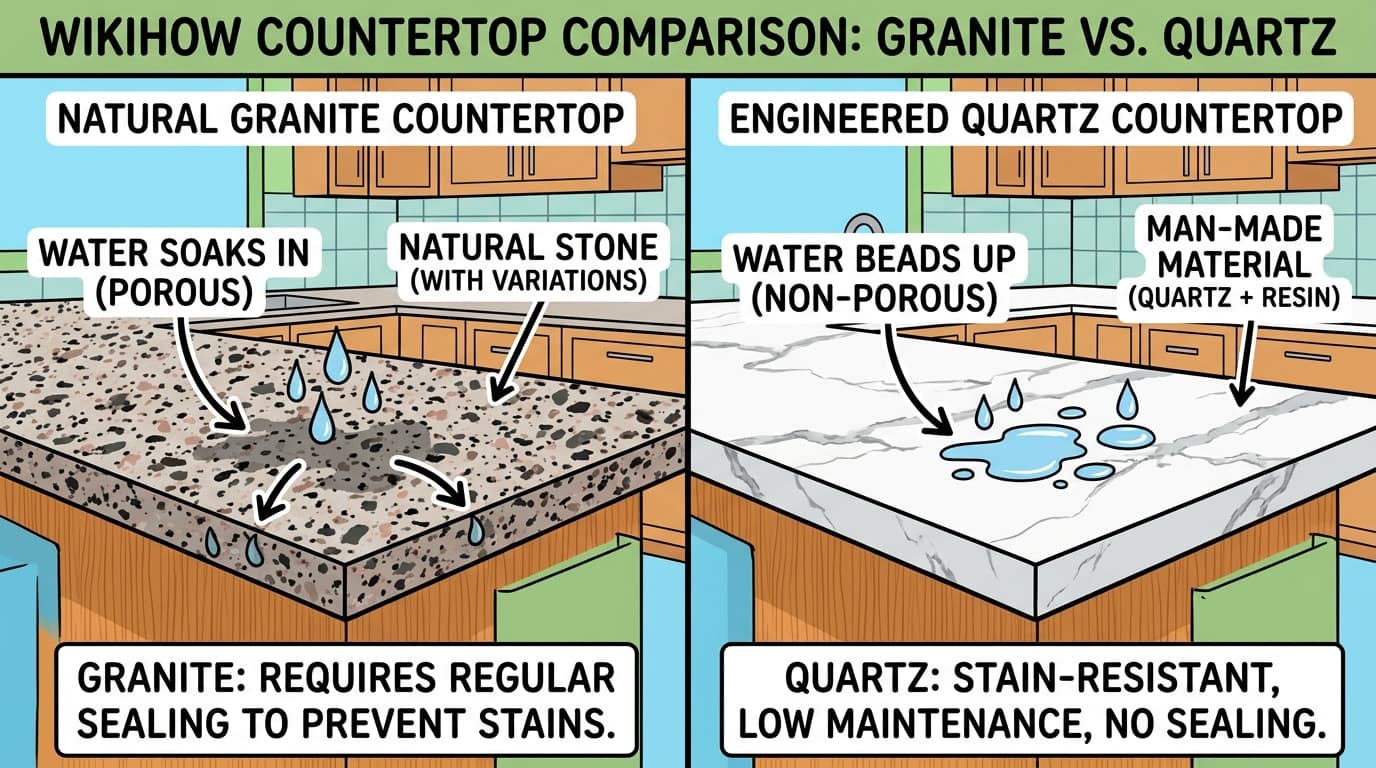
Granite vs. Quartz: Which Stone Does Your Kitchen Actually Need?
Confused between natural granite and engineered quartz? Learn the real differences in heat resistance, daily maintenance, seam visibility, and price per square foot.
Read Guide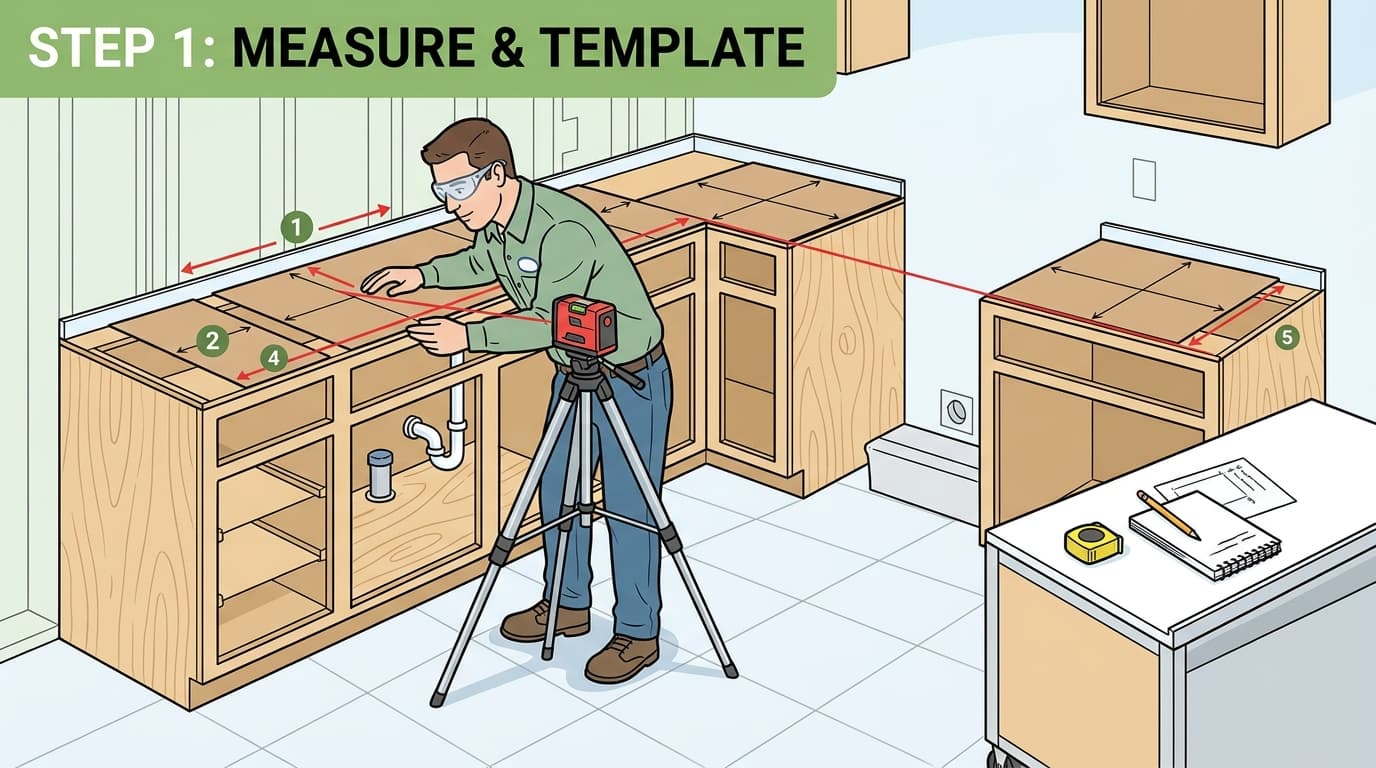
How to Prepare Your Kitchen for Countertop Installation: The Ultimate Checklist
Step-by-step preparation guide for laser templating and install day. Learn how to clear base cabinets, coordinate plumbers, disconnect sinks, and ensure a flawless fit.
Read Guide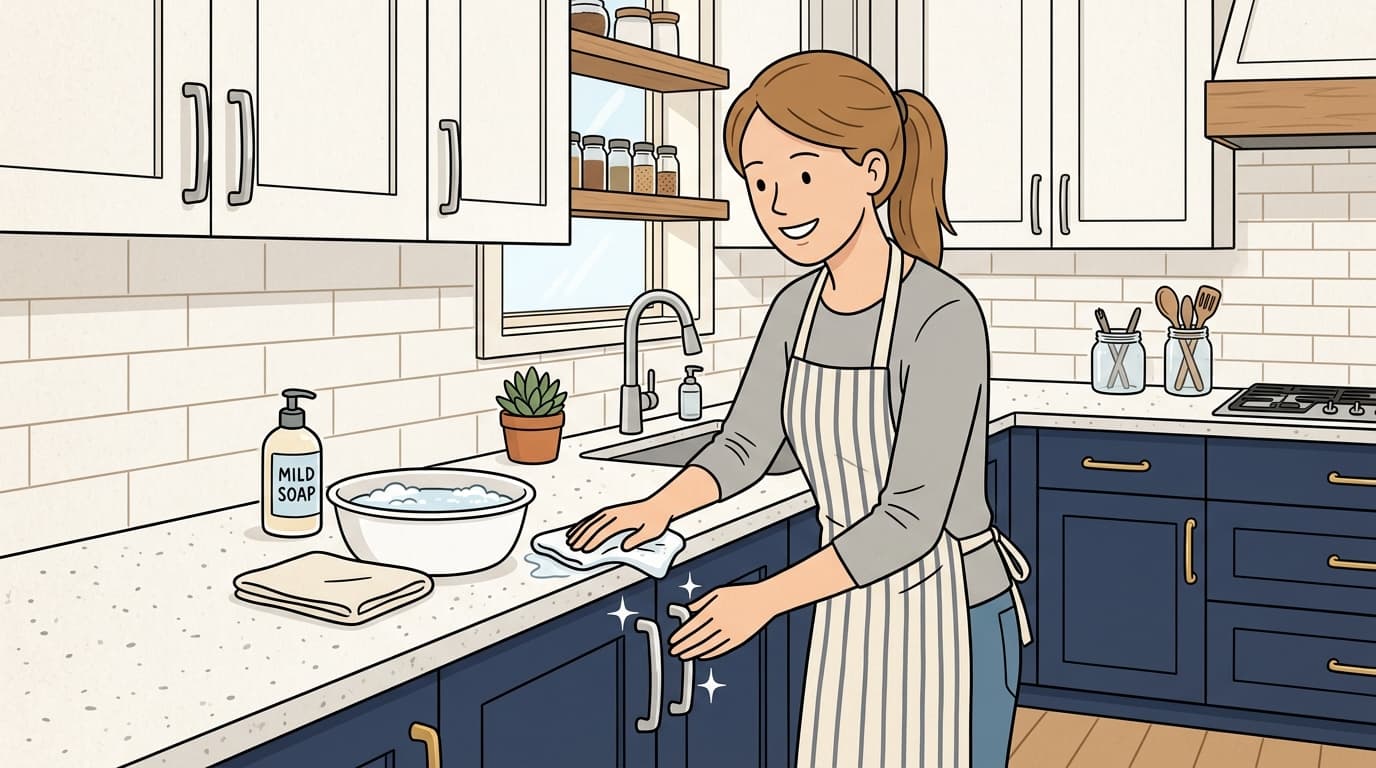
How to Clean & Care for Custom Cabinets: Keeping Finishes Like New
Master cabinet maintenance for shaker, painted, and stained wood finishes. Discover how to safely remove cooking grease, prevent moisture swelling, and protect hardware.
Read Guide